
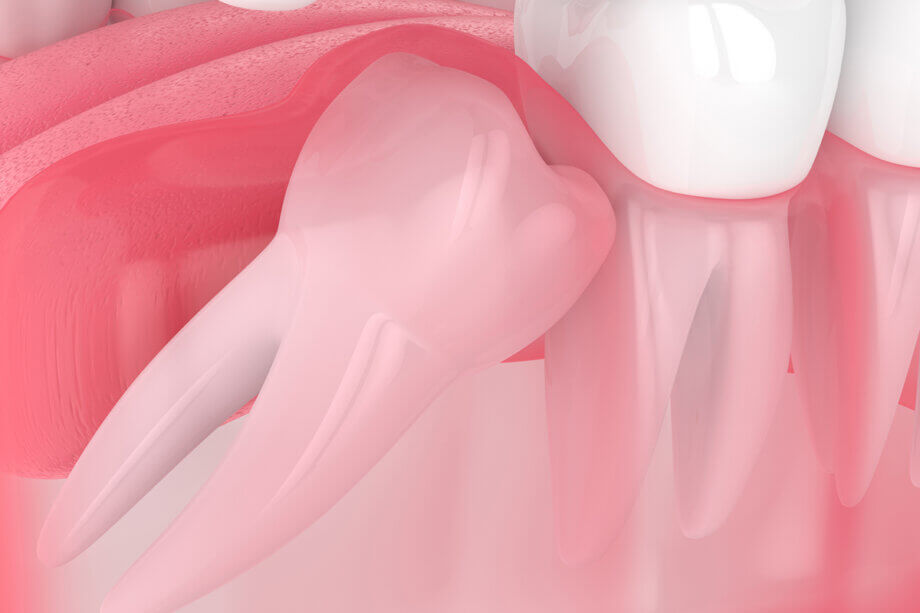
Wisdom teeth are the last teeth to arrive, and they often cause the most trouble. Because they sit at the very back of the mouth, they are hard to clean and prone to infection. When these third molars become impacted or only partially emerge, bacteria can settle in and lead to pain, swelling, and other complications. Knowing the warning signs early can help you avoid a more serious problem down the road.
At Rio Grande Oral Surgery & Dental Implant Center in Albuquerque, NM, we evaluate and treat wisdom teeth every day. Led by Dr. Drew Steel, a board-certified oral and maxillofacial surgeon, our team helps patients recognize infections before they spread. Below, we walk you through three of the most common warning signs, answer frequently asked questions, and explain when it may be time to consider treatment.
Persistent Pain and Swelling Near the Back of the Mouth
Pain is usually the first clue that something is wrong. A wisdom tooth infection often begins as a dull ache behind your last molar, then grows into a throbbing, constant discomfort. You may notice tenderness when you chew or when you touch the area with your tongue. Swelling in the gums, jaw, or even the side of the face frequently follows.
This type of pain rarely resolves on its own. When a tooth is impacted or only partly erupted, a flap of gum tissue can trap food and bacteria, causing a condition called pericoronitis. If you feel steady pain and see swelling that lasts more than a day or two, it is a signal to have the area examined. Catching the problem early usually means a simpler solution.
Bad Breath, an Unpleasant Taste, or Signs of Pus
Persistent bad breath and a sour or metallic taste in your mouth can point to an active infection. When bacteria collect around a wisdom tooth, they release compounds that create a lingering odor no amount of brushing seems to fix. You might also notice a bad taste that returns shortly after you clean your teeth.
In more advanced cases, pus may drain from the gum around the tooth. This discharge is a clear sign that your body is fighting an infection, and it should never be ignored. If you see or taste pus, or if your gums bleed easily and appear red and puffy, we recommend prompt evaluation. Left untreated, the infection can spread to nearby teeth, bone, and soft tissue.
Difficulty Opening Your Mouth, Fever, or Swollen Glands
When an infection affects more than just the tooth itself, your whole body may respond. Some patients find it hard to open their mouth fully, a condition known as trismus. Others develop a low-grade fever, swollen lymph nodes under the jaw, or a general feeling of being unwell. These symptoms suggest the infection is no longer contained to a small area.
We treat these warning signs as urgent. An infection that reaches this stage can interfere with eating, speaking, and swallowing, and in rare cases it can become a medical emergency. If you notice fever, swollen glands, or trouble opening your mouth alongside tooth pain, contact an oral surgeon right away. In many of these situations, wisdom teeth removal is the most reliable way to resolve the problem and protect your long-term oral health.
Knowing When to Act Protects Your Smile
Wisdom tooth infections tend to start small and grow quickly, so early attention matters. Persistent pain and swelling, bad breath or pus, and whole-body symptoms like fever are the three signals to watch for. If any of these sound familiar, don't wait for them to worsen. Our team is here to evaluate your wisdom teeth, explain your options in plain language, and provide safe, comfortable care. Call us today to schedule an evaluation and get answers you can trust.
Frequently Asked Questions About Wisdom Teeth
At what age should wisdom teeth be evaluated?
We recommend an evaluation in the mid-to-late teenage years. At this stage, the roots are still developing, which often makes any needed removal simpler and recovery smoother. Early assessment also lets us spot problems before they cause pain or damage neighboring teeth.
Do all wisdom teeth need to be removed?
No. Healthy wisdom teeth, fully erupted, and easy to clean can often stay in place. We evaluate each patient individually and only recommend removal when a tooth is impacted, infected, or likely to cause future issues. Our goal is always to protect your overall oral health.
Can a wisdom tooth infection go away on its own?
An active infection rarely clears up permanently without treatment. Rinsing and good hygiene may ease symptoms for a short time, but the underlying cause usually remains. Because infections can spread to surrounding tissue and bone, we encourage you to have persistent symptoms examined promptly.
Is wisdom tooth removal painful?
We use modern techniques and anesthesia to keep you comfortable throughout the procedure. Dr. Steel has extensive training and experience in anesthesia administration, so we can tailor your care to your needs. Most patients manage post-surgery soreness well with the instructions and support we provide.
How long does recovery take after removal?
Many patients feel noticeably better within a few days, with fuller healing over one to two weeks. Following our post-operative instructions—resting, eating soft foods, and keeping the area clean—helps recovery go smoothly. We are always available to answer questions during your healing period.
At Rio Grande Oral Surgery & Dental Implant Center in Albuquerque, NM, we provide expert oral and maxillofacial care led by board-certified oral surgeon Dr. Drew Steel. From wisdom teeth evaluation and removal to dental implants and full-arch restoration, we serve patients throughout the Albuquerque area. Schedule an appointment with our team today.