
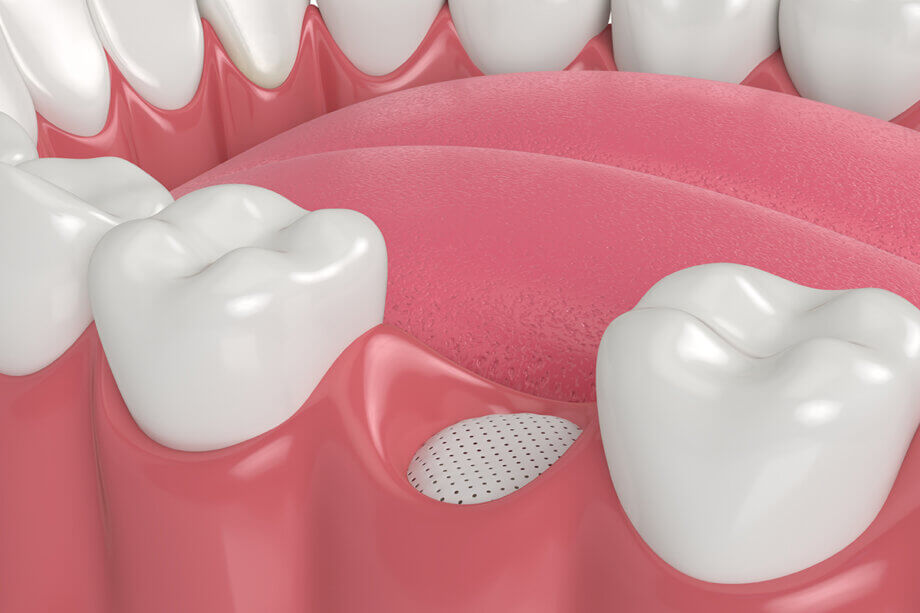
At Rio Grande Oral Surgery & Dental Implant Center, we understand that understanding your treatment plan is the first step toward a successful recovery. For many of our patients seeking dental implants, bone grafting is an essential procedure used to rebuild the jawbone structure. While the concept of grafting bone might sound complex, it is a routine and predictable procedure that creates a solid foundation for future restorative work.
Knowing what to expect during the healing process can alleviate anxiety and help you prepare for each stage of recovery. The timeline for healing varies depending on the type of graft and the individual patient’s physiology, but there are general milestones everyone should anticipate. By familiarizing yourself with these phases, you can ensure you are taking the right steps to support your body’s natural healing abilities and achieve the best possible clinical outcome.
The Initial Healing Phase: The First Few Weeks
The first phase of recovery begins immediately after your surgery and typically lasts for about two weeks. During this time, the primary focus is on the healing of the soft tissue—the gums—over the graft site. It is normal to experience some swelling, minor bruising, and discomfort during the first few days. We provide detailed post-operative instructions to help manage these symptoms effectively, often recommending over-the-counter medication and the application of ice packs to reduce inflammation.
It is critical during this initial healing period to avoid disturbing the surgical site. We advise patients to stick to a soft diet and avoid chewing directly on the area where the graft was placed. You may notice small granules of bone material in your mouth, which is a normal occurrence and not a cause for alarm. By the end of the second week, the gum tissue should be well on its way to closing completely, protecting the underlying graft material as it begins its work.
The Intermediate Phase: Integration and Regeneration
Once the soft tissue has healed, the most crucial biological process begins beneath the surface. Over the next three to six months, a process called osseointegration takes place. This is where your natural bone begins to grow into and replace the grafting material. The graft acts as a scaffold or framework, guiding your body to regenerate its own living bone tissue. While you may feel completely back to normal during this time, it is vital to remember that the area is still biologically active and strengthening.
During this intermediate phase, we monitor your progress through follow-up appointments. We look for signs that the new bone is integrating successfully with your existing jaw structure. Although you will likely resume your normal diet and oral hygiene routine, we may still advise caution with hard or crunchy foods to prevent undue pressure on the developing bone. Patience is essential here; rushing this phase can compromise the stability required for successful dental implant placement later.
The Final Phase: Maturation and Long-Term Stability
The final phase of the healing timeline marks the maturation of the newly formed bone. This typically occurs between four and nine months post-surgery, depending on the size of the graft and the location in the jaw. At this stage, the bone density has increased significantly, transforming into a hard, stable structure capable of supporting the high bite forces associated with dental implants.
Once we confirm that the graft has fully matured and the site is stable, we can proceed with the next steps of your restorative treatment, such as placing the titanium implant post. Long-term care for a bone graft is identical to caring for your natural teeth: consistent brushing, flossing, and regular dental check-ups are required to maintain gum health and prevent infection. A fully healed bone graft restores not just the shape of your jaw, but the functional integrity of your oral health for years to come.
Restoring Your Smile with a Strong Foundation
Undergoing a bone graft is a significant investment in your oral health, serving as the critical groundwork for a restored smile. While the healing timeline requires patience, each phase plays a specific role in ensuring the longevity and success of your dental implants. By adhering to post-operative guidelines and attending follow-up visits, you actively contribute to the seamless integration of the new bone. Our team is dedicated to guiding you through this journey, ensuring you feel supported, informed, and confident from the initial consultation to the final restoration.
Frequently Asked Questions About Bone Grafting
Is the bone grafting procedure painful?
We prioritize your comfort throughout every procedure. During the surgery, we use anesthesia to ensure you do not feel pain. After the anesthesia wears off, it is normal to experience some soreness or discomfort, similar to a tooth extraction. However, this is typically manageable with prescribed pain relievers or over-the-counter medications. Most patients find that the discomfort subsides significantly within a few days.
How long do I have to wait for dental implants after a bone graft?
The waiting period varies based on the complexity of the graft and your body's healing rate. In minor cases, we may be able to place the implant at the same time as the graft. However, for more substantial grafts, we typically require a healing period of 3 to 6 months—sometimes longer—to ensure the bone has matured enough to securely support the implant post. We will provide you with a personalized timeline during your consultation.
At Rio Grande Oral Surgery & Dental Implant Center, we take pride in delivering outstanding patient care for a variety of oral and facial conditions in Albuquerque, NM. Our board-certified surgeons and experienced staff are dedicated to restoring your oral function and aesthetics with precision and compassion. If you have questions about bone grafting or would like to discuss your treatment options, we invite you to visit our website and schedule an appointment today.